What Is Tenant Electricity?
Tenant electricity (Mieterstrom) refers to electricity that is generated in decentralized generation plants – typically photovoltaic systems on the roof or combined heat and power (CHP) units in the basement – and supplied directly to the tenants in the same building. The key difference from conventional electricity supply: the electricity is not routed through the public grid but flows directly from the roof into the apartment.
The legal basis is the Tenant Electricity Act of 2017, which was considerably improved by the 2023 amendment to the Renewable Energy Sources Act (EEG). For electricity consumed locally, grid usage fees, concession levies and the CHP levy (KWK-Umlage) do not apply – this makes tenant electricity economically attractive for landlords and cheaper for tenants.
Benefits for Landlords
Increased Property Value
A photovoltaic system on the roof increases the market value of your property in the long term. Buildings with their own energy generation achieve higher rents and are in particularly high demand among tenants.
Additional Source of Income
Selling solar power to your tenants generates predictable income. In addition, you receive the statutory tenant electricity surcharge (Mieterstromzuschlag) under the EEG for every kilowatt-hour supplied.
More Attractive Rental Offer
Green electricity from your own roof reduces your tenants' ancillary costs and increases tenant satisfaction. Lower turnover means fewer vacancies and lower administrative costs.
Contribution to the Energy Transition
Tenant electricity supports your ESG compliance and sustainability goals. You make an active contribution to the decentralized energy transition and position your portfolio for the future.
Funding Opportunities
In addition to the tenant electricity surcharge under the EEG, you benefit from KfW funding programs for solar systems, tax advantages thanks to the simplified trade tax rules, and regional funding programs offered by individual federal states.
Benefits for Tenants
Low-Cost Electricity
Tenant electricity must be at least 10% cheaper than the tariff of the local default supplier. In practice, savings are often 15–20% – with no hidden costs.
100% Green Energy
The electricity comes directly from the solar system on the building's own roof. Tenants receive clean energy without a detour through the public grid and actively contribute to climate protection.
No Effort, Full Flexibility
No minimum contract term longer than 24 months and a notice period of no more than three months. Participation is voluntary – tenants retain full freedom of choice.
How Tenant Electricity Works – Step by Step
Metering Concept
Analysis of the building, creation of an individual metering concept and coordination with the responsible grid operator. Generation, consumption and the residual electricity supply are planned precisely in the process.
Installation
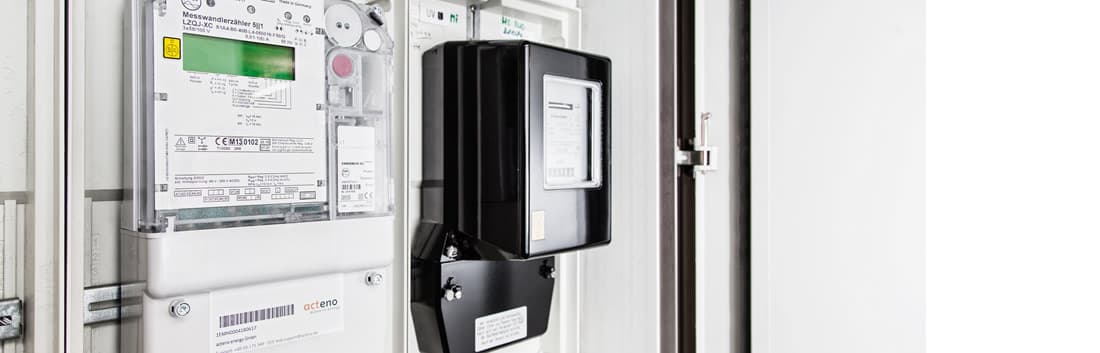
Installation of smart meters, transformer-connected meters and summation meters at all relevant metering points. Integration of the metering technology into the control system for automated data acquisition.
Operation
Real-time monitoring of all energy flows via a central customer portal. Landlords and tenants have transparent access to generation and consumption data at all times.
Billing
Fully automated billing: tenant electricity billing, residual electricity supply, tenant electricity surcharge and market communication – everything from a single source, with no manual effort.
Legal Framework
The Tenant Electricity Act of 2017 created a legal framework for the direct supply of electricity to tenants for the first time. The 2023 EEG amendment removed significant bureaucratic hurdles and brought decisive improvements:
- Simplified tax treatment for housing companies and rental companies
- Adjustment of the tenant electricity surcharge to current market conditions
- Reduction of bureaucratic hurdles in registration and billing
- Extension to neighborhood solutions and ancillary structures
Since 2024, communal building supply (Gemeinschaftliche Gebäudeversorgung) has enabled further simplifications: building owners can pass solar power directly on to residents without acting as an energy supplier – with reduced regulatory requirements.
The Role of the Metering Operator
Professional metering operations are the backbone of every successful tenant electricity project. No tenant electricity model works without precise metering and smooth market communication. The metering operator takes on key tasks here:
Individual Metering Concept
Creation of a tailor-made metering concept that precisely maps generation, self-consumption, supply to tenants and the residual electricity supply.
Installation of All Metering Systems
Installation of smart meters, transformer-connected meters, summation meters and communication technology – professionally and in compliance with standards.
Coordination with the Grid Operator and Suppliers
Coordination of all technical and regulatory requirements with the responsible grid operator and the energy suppliers involved.
Market Communication and Data Visualization
Automated data transmission to all market participants as well as transparent visualization of all energy flows via the customer portal.
As a competitive metering operator, acteno energy handles the entire process from A to Z – from planning and installation to ongoing operation and fully automated billing.